
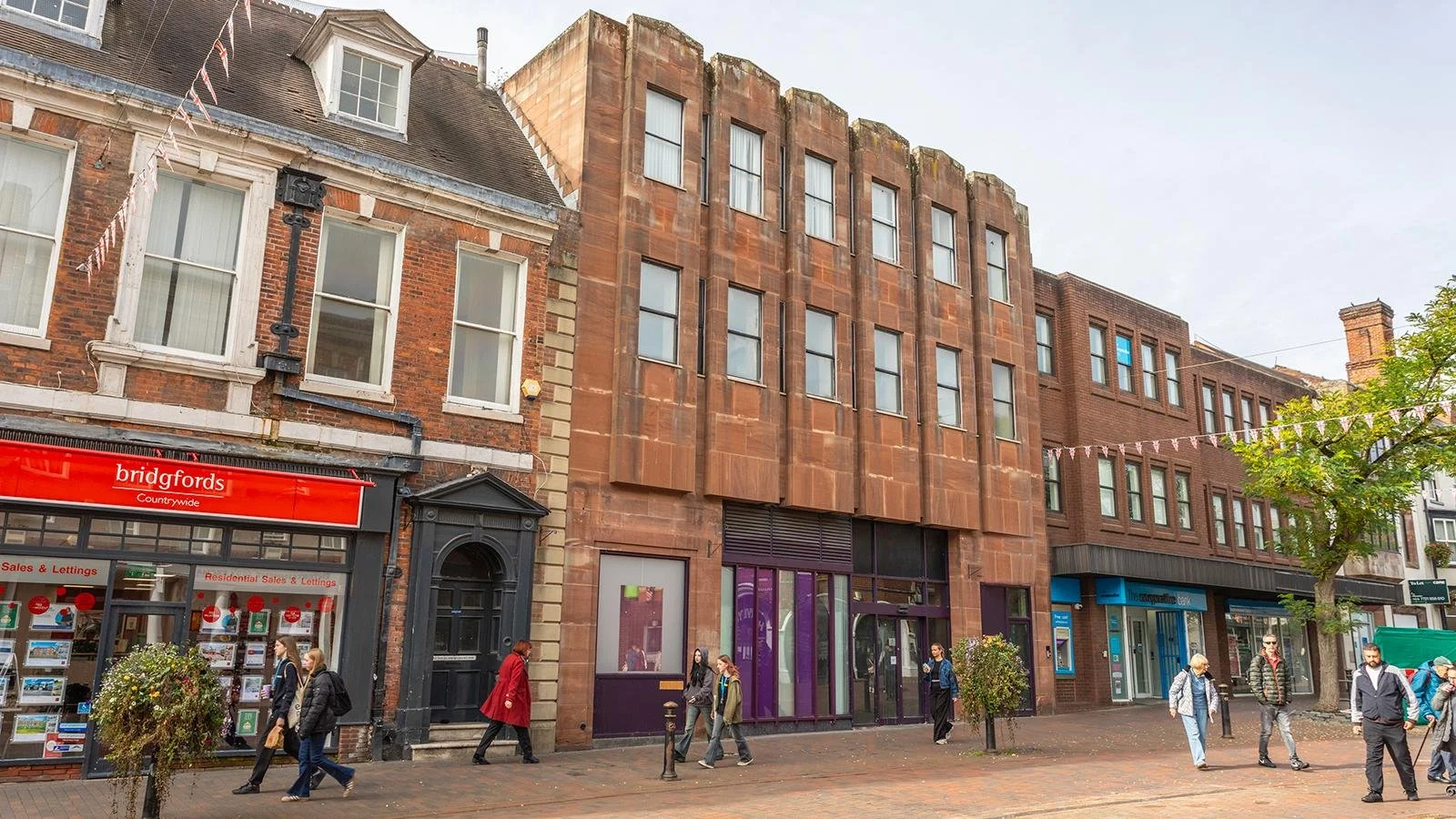
Pre-Construction Survey in Stafford
Pre-construction CCTV drainage survey carried out at a former NatWest commercial building in Staffordshire ahead of planned construction works.
The survey was required to trace and identify the foul and surface water drainage systems serving the building, assess their condition, and investigate defects that may have been contributing to reported water ingress.
Location: Stafford, Staffordshire
Service: Pre-construction drain survey
Overview
We were instructed to carry out a pre-construction drainage survey at an old NatWest building in Staffordshire before construction works progressed. The project team needed to understand how the existing foul and surface water drainage systems served the commercial building, how the systems were connected, and whether any defects were present that could affect the proposed works.
There had also been reports of water damage to the structure, so part of the survey was focused on identifying whether drainage defects could be contributing to moisture ingress or structural saturation.
For commercial refurbishment and construction projects, drainage surveys are an important step before works begin. They help confirm drainage layouts, highlight incorrect connections, identify structural defects, and reduce the risk of unexpected issues during the build.
What we did
We carried out a CCTV drainage survey using push-rod camera equipment to trace and identify the foul and surface water drainage systems serving the building. The purpose of the survey was to establish:
The drainage layout serving the commercial property
The connectivity of foul and surface water drainage systems
The condition of accessible drainage pipework
Any defects contributing to water ingress
Any obstructions preventing full inspection
Whether the drainage system was functioning correctly ahead of construction
During the inspection, significant internal obstructions were identified within the surface water drainage line. Camera progression was not possible beyond the obstruction, meaning this section of the survey had to be abandoned.
Externally, a pronounced open joint and a large displacement were identified within the surface water line. These defects were located close to the area where site contractors had reported water damage to the structure, suggesting a likely link between the drainage defects and moisture ingress.
The inspection also identified an incorrect drainage arrangement, with foul pipework serving the building connected into the surface water system. This type of connection can increase loading within the surface water system, contribute to surcharge, and may not comply with current drainage standards.
The outcome
The survey confirmed that the surface water system was compromised by both internal obstruction and structural defects. The key findings included:
Significant obstruction within the surface water line
Survey abandonment due to restricted camera progression
Pronounced open joint in the surface water system
Large pipe displacement
Defects located near reported structural water damage
Foul drainage connected into the surface water system
Reduced hydraulic capacity
Potential water escape into the surrounding ground
Increased risk of structural saturation and further deterioration
The obstructions and structural defects were restricting the hydraulic capacity of the drainage system and may have been allowing water to escape into the surrounding ground. This could have contributed to the reported water damage and moisture ingress affecting the building.
The incorrect foul-to-surface water connection was also an important finding, as it may further increase flow and pressure within the surface water network and should be reviewed as part of the construction works. Based on the findings, we recommended:
High-pressure water jetting to clear the obstruction
Completion of the CCTV survey once the line has been cleared
Further assessment of the open joint and large displacement
Remedial repair of the structural defects following clearance
Review and rectification of the foul-to-surface water connection
Confirmation that the drainage system is compliant and functioning correctly before construction progresses
This project is a strong example of why pre-construction CCTV drainage surveys are important on commercial refurbishment projects. By tracing the drainage systems and identifying defects before works began, the project team gained a clearer understanding of the existing drainage risks and the remedial works required to prevent further deterioration.
Location
This pre-construction drain survey was carried out at a former NatWest commercial building in Staffordshire ahead of planned construction works.
We undertake pre-construction drain surveys, CCTV drainage inspections and drainage connectivity surveys for commercial clients, contractors, architects, developers and refurbishment teams across Staffordshire, Stoke-on-Trent, Stafford, Cannock, Lichfield, Burton upon Trent and the wider Midlands, helping project teams confirm drainage layout, condition, connectivity and potential water ingress risks before construction works begin.
Related services
Need a Pre-Construction drain survey?
Get a fast, reliable drainage report from an experienced team.